
Creating great content takes time, creativity, and consistency. Whether you write blog posts, design graphics, edit videos, or manage social media, there is always something that needs your attention. That is why AI Tools for Content Creators have become so popular. They help people work faster while still keeping control over the final result.
Modern AI tools can assist with brainstorming ideas, writing drafts, creating images, editing videos, improving audio, and organizing projects. They are designed to save time, not replace creativity. The best creators use AI as a helpful assistant while adding their own knowledge, personality, and experience.
In this guide, you’ll learn what AI tools are, why they matter, the benefits and limits of using them, and the best AI tools available today based on verified information from official sources.

Table Of Content
- What Are AI Tools for Content Creators?
- Why AI Matters for Content Creation
- Benefits of Using AI Tools
- Limitations of AI Tools
- 12 Best AI Tools for Content Creators
- How to Choose the Right AI Tool
- Best Practices for Using AI
- Common Mistakes to Avoid
- Beginner Tips
- The Future of AI Content Creation
- Conclusion
- Frequently Asked Questions
What Are AI Tools for Content Creators?
AI tools are software applications that use artificial intelligence to help people create digital content more efficiently.
Instead of starting every project from scratch, these tools can help with tasks like:
- Writing articles
- Generating ideas
- Creating images
- Editing videos
- Improving audio
- Summarizing information
- Designing presentations
- Organizing workflows
The goal is not to replace human creativity. Instead, AI helps reduce repetitive work so creators can spend more time creating valuable content.
Why AI Matters for Content Creation
Content creation has changed a lot over the past few years. Today, creators often manage multiple platforms, including blogs, YouTube, Instagram, TikTok, LinkedIn, and newsletters.
Keeping up with all these channels takes planning and consistency.
AI helps by making everyday tasks easier. For example, it can:
- Suggest new content ideas
- Improve grammar and spelling
- Rewrite unclear sentences
- Remove background noise from audio
- Generate illustrations
- Speed up video editing
- Organize research notes
This means creators can focus more on storytelling, creativity, and connecting with their audience.
Benefits of Using AI Tools
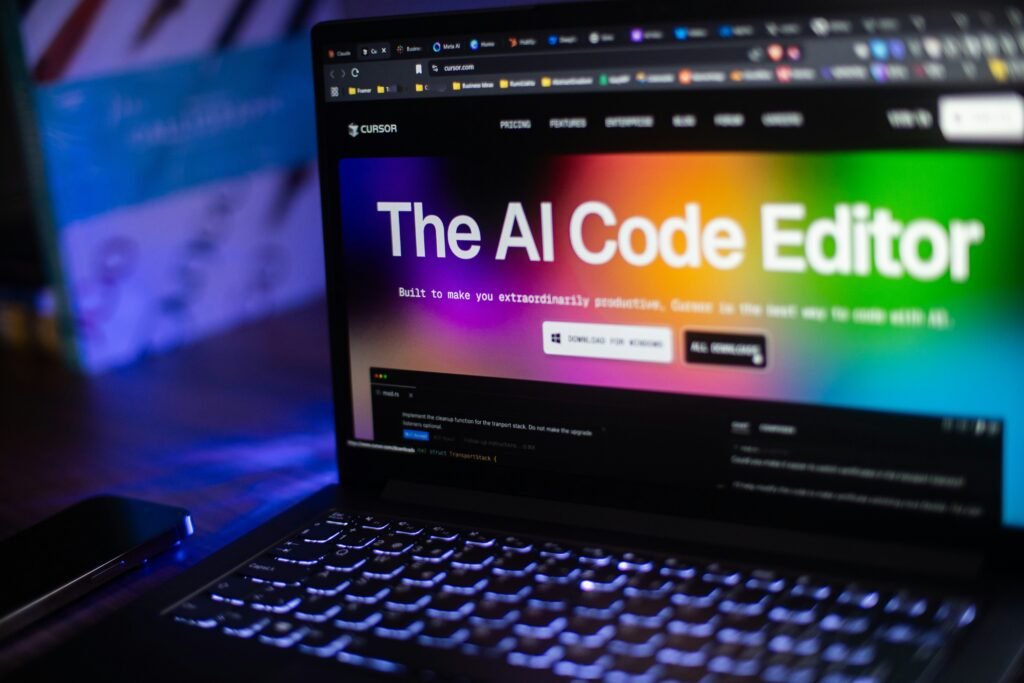
AI offers many advantages when used responsibly.
Save Time
Many repetitive tasks can be completed in minutes instead of hours.
Examples include:
- Drafting outlines
- Creating captions
- Summarizing documents
- Transcribing audio
- Resizing images
Boost Creativity
Sometimes the hardest part is getting started.
AI can help generate:
- Blog topics
- Video ideas
- Headlines
- Social media captions
- Marketing campaigns
These suggestions can inspire your own original work.
Improve Quality
Many AI tools check grammar, spelling, readability, and sentence structure.
They can also help organize information into a clearer format.
Remember to review everything before publishing because AI can still make mistakes.
Increase Productivity
Creators often work alone or in small teams.
Using AI means more time can be spent on planning, filming, designing, or communicating with clients instead of repetitive editing.
Limitations of AI Tools
AI is powerful, but it is not perfect.
Understanding its limits helps you use it wisely.
AI Can Make Mistakes
AI sometimes generates incorrect or outdated information.
Always verify important facts using official or trusted sources.
Creativity Still Needs Humans
AI cannot replace personal experiences, original opinions, or emotional storytelling.
Readers usually connect with authentic human voices.
Privacy Matters
Avoid uploading confidential business information or private personal data into AI tools unless you understand the platform’s privacy policies.
Copyright Rules Continue to Evolve
Rules around AI-generated content and media continue to develop.
Always review licensing terms before using AI-generated images, music, or other creative assets for commercial projects.
12 Best AI Tools for Content Creators

Below are some of the most trusted AI tools used by creators today.
1. ChatGPT
Developed by OpenAI, ChatGPT helps with:
- Writing articles
- Brainstorming ideas
- Summarizing information
- Creating outlines
- Editing drafts
- Explaining complex topics
It works well for bloggers, students, marketers, and businesses that need help with writing and research.
2. Google Gemini
Google Gemini is Google’s AI assistant.
It can help users:
- Generate ideas
- Summarize information
- Answer questions
- Assist with writing
- Work with Google Workspace applications
It is especially useful for people who already use Google Docs, Gmail, and Google Drive.
3. Microsoft Copilot
Microsoft Copilot integrates with Microsoft products such as Word, Excel, PowerPoint, and Outlook.
It helps users:
- Draft documents
- Create presentations
- Analyze spreadsheets
- Summarize emails
- Improve productivity
This makes it valuable for professionals who already use Microsoft 365.
4. Canva Magic Studio
Canva includes several AI-powered features designed for creators.
These tools can assist with:
- Graphic design
- Image generation
- Presentation creation
- Background removal
- Quick design suggestions
Canva is popular because it combines AI with an easy-to-use design interface, making it suitable for beginners and experienced creators alike.
5. Adobe Firefly
Adobe Firefly is Adobe’s family of generative AI features for creative work. It helps creators generate images, edit graphics, and speed up design tasks inside Adobe applications.
Some common uses include:
- Creating images from text prompts
- Expanding images
- Removing unwanted objects
- Generating design ideas
Adobe also provides information about the training and commercial use of Firefly features through its official documentation.
6. Claude
Claude, developed by Anthropic, is an AI assistant designed for writing, summarizing, brainstorming, and analyzing long documents.
It is useful for:
- Long-form articles
- Editing drafts
- Research summaries
- Content planning
- Business writing
Many writers use Claude to organize complex information into clear, readable content.
7. Grammarly
Grammarly uses AI to help improve writing quality.
It can help with:
- Grammar
- Spelling
- Clarity
- Tone
- Readability
It is a useful final step before publishing blog posts, emails, or social media content.
8. Notion AI
Notion AI adds AI features to the popular productivity platform.
It helps users:
- Summarize notes
- Create task lists
- Brainstorm ideas
- Draft content
- Organize projects
This makes it helpful for creators managing multiple projects.
9. Descript
Descript combines audio and video editing with AI features.
It supports tasks like:
- Editing recordings
- Creating transcripts
- Removing filler words
- Improving podcast workflows
It is widely used by podcasters, educators, and video creators.
10. Midjourney
Midjourney is known for generating artistic images from text prompts.
Creators often use it for:
- Concept art
- Illustrations
- Creative inspiration
- Marketing visuals
Always review licensing terms before using generated images commercially.
11. Perplexity AI
Perplexity AI is designed to help users research topics by combining AI responses with source references.
It is useful for:
- Research
- Learning new topics
- Finding reliable information
- Exploring complex subjects
Even with cited sources, important information should always be verified.
12. ElevenLabs
ElevenLabs focuses on AI voice technology.
It offers tools for:
- Voice generation
- Voice cloning (where permitted)
- Audiobooks
- Narration
- Podcast production
Users should follow applicable laws and platform policies when creating AI-generated voices.
How to Choose the Right AI Tool
Not every creator needs every AI tool. Choose tools based on your goals.
If You Write Blogs
Look for tools that help with:
- Research
- Outlines
- Grammar
- Editing
If You Design Graphics
Choose tools that support:
- Image creation
- Templates
- Photo editing
- Brand consistency
If You Create Videos
Prioritize tools with:
- Video editing
- Automatic captions
- Audio cleanup
- Transcription
If You Manage Social Media
Look for features such as:
- Caption writing
- Content calendars
- Image generation
- Idea brainstorming
Best Practices for Using AI
Follow these habits to get the best results.
- Start with clear prompts.
- Review every AI-generated response.
- Check important facts using trusted sources.
- Add your own expertise and personality.
- Edit content before publishing.
- Respect copyright and licensing rules.
- Protect private or confidential information.
Common Mistakes to Avoid
Many beginners expect AI to do everything automatically.
Avoid these common mistakes:
- Publishing AI text without editing
- Trusting every fact without verification
- Using vague prompts
- Ignoring copyright rules
- Forgetting your unique voice
- Depending on only one AI tool
The best content combines AI assistance with human creativity.
Beginner Tips
If you’re new to AI, keep it simple.
- Start with one or two tools.
- Learn their main features first.
- Practice writing better prompts.
- Save prompts that work well.
- Compare AI suggestions with your own ideas.
- Continue learning as new features are released.
Small improvements over time can greatly increase your productivity.
The Future of AI Content Creation

AI continues to improve quickly. Future tools are expected to become better at understanding context, supporting multiple content formats, and integrating into everyday workflows.
At the same time, human creativity will remain essential. Original ideas, personal experiences, and thoughtful editing are qualities AI cannot fully replace.
Creators who learn to work alongside AI are likely to produce content more efficiently while maintaining quality and authenticity.
Conclusion
AI Tools for Content Creators are changing how people write, design, edit, and publish digital content. They can save time, improve productivity, and simplify creative workflows, but they work best when combined with human creativity and careful fact-checking.
Whether you are a blogger, designer, marketer, educator, or video creator, choosing the right AI tools can help you produce better content more efficiently. Start with the tools that match your goals, learn their strengths, and always review your work before publishing.
Want to learn more? Explore our other AI guides to discover the latest tools, practical tutorials, and expert tips for getting the most out of artificial intelligence.
VISIT OUR PAGE – AI UNPACKED
Official Resources for Further Reading
For the latest features and official documentation, refer to these sources:
- ChatGPT (OpenAI)
- Google Gemini
- Claude (Anthropic)
- Canva AI
- Adobe Firefly
- Microsoft Copilot
- Perplexity AI
- GitHub Copilot
- Grammarly
- Notion AI
- Runway
- Descript
These official resources provide readers with trustworthy information and align well with EEAT best practices.
Frequently Asked Questions
1. What are AI tools for content creators?
AI tools are software applications that help create, edit, organize, or improve digital content using artificial intelligence.
2. Are AI tools free?
Some offer free plans with limited features, while others require paid subscriptions. Plans and pricing may change over time.
3. Can AI replace content creators?
No. AI helps automate repetitive tasks, but human creativity, judgment, and experience remain essential.
4. Which AI tool is best for writing?
The best choice depends on your needs. Popular options include ChatGPT, Claude, and Google Gemini.
5. Which AI tool is best for graphic design?
Canva Magic Studio and Adobe Firefly are widely used for AI-assisted design.
6. Can AI create YouTube videos?
AI can help write scripts, generate captions, improve audio, and edit videos, but creators usually review and finalize the content.
7. Is AI-generated content allowed on Google?
Google focuses on the quality and usefulness of content rather than how it was created. Helpful, accurate, people-first content is the priority.
8. Should I fact-check AI responses?
Yes. Always verify important information using trusted and official sources before publishing.
9. Can beginners use AI tools?
Yes. Many AI tools are designed with simple interfaces that are suitable for beginners.
10. What is the biggest benefit of AI for creators?
The biggest benefit is saving time on repetitive tasks while allowing creators to focus on original ideas and quality.