Meta Title
Future of AI Jobs: 12 Powerful Trends to Know in 2026
Meta Description
Discover the future of AI jobs, the careers growing fastest, skills employers want, and practical steps to prepare for an AI-powered workplace.
Future of AI Jobs: 12 Powerful Trends to Know
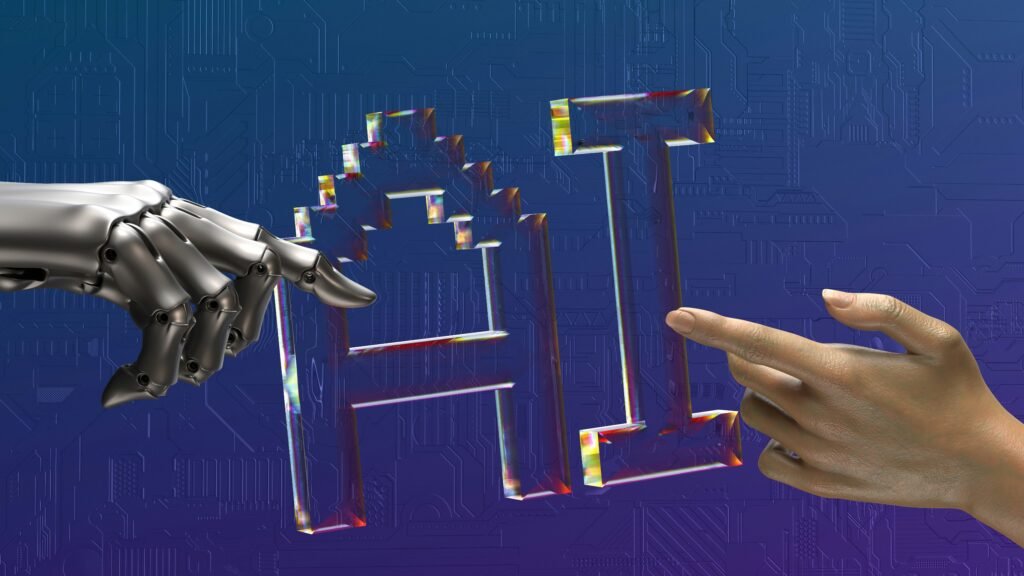
Artificial intelligence (AI) is changing the way people work every day. From writing emails to helping doctors study medical images, AI is becoming a useful tool in many industries. Because of this, many people are asking about the future of AI jobs. Will AI replace workers? Will it create new careers? Which skills will matter most?
The good news is that AI is expected to change jobs more than it removes them. Some repetitive tasks may become automated, but new opportunities are also growing in technology, healthcare, education, finance, marketing, manufacturing, and many other fields. Learning how AI works today can help you prepare for tomorrow’s workplace.
In this guide, you’ll discover how AI is shaping the future of work, which careers are growing, and practical ways to stay ready for an AI-powered world.
Table Of Content
- What Is the Future of AI Jobs?
- Why the Future of AI Jobs Matters
- Best AI Tools for Work and Learning
- Best Practices for Preparing for the Future of AI Jobs
- Common Mistakes to Avoid
- Conclusion
- Frequently Asked Questions (FAQs)
What Is the Future of AI Jobs?

The future of AI jobs refers to how artificial intelligence will change the workplace over the next several years. AI systems can analyze data, recognize patterns, answer questions, generate text and images, and help people complete tasks more quickly.
Instead of replacing every worker, AI is often becoming a workplace assistant. It helps employees save time by handling repetitive work so people can focus on creativity, problem-solving, communication, and decision-making.
For example, AI can help:
- Draft reports
- Organize information
- Analyze large amounts of data
- Answer customer questions
- Create images and presentations
- Assist with coding
- Translate languages
- Improve business workflows
Many organizations, including Microsoft, Google, and OpenAI, continue to develop AI tools that improve workplace productivity while still requiring human oversight.
Why the Future of AI Jobs Matters
AI is becoming part of everyday work across many industries. Understanding these changes helps students, employees, freelancers, and business owners prepare for new opportunities.
Here are some reasons why AI matters:
- More companies are adopting AI tools.
- New AI-related careers continue to appear.
- Workers with AI knowledge may have more job opportunities.
- Many existing jobs now include AI-powered software.
- Learning AI skills today can improve long-term career growth.
Rather than fearing AI, most people benefit by learning how to work alongside it.
1. AI Will Automate Repetitive Tasks
One of the biggest changes AI brings is automation.
Computers are becoming better at handling repetitive work that follows clear rules. This allows employees to spend more time solving problems, helping customers, and making important decisions.
Tasks AI can often assist with include:
- Data entry
- Scheduling meetings
- Sorting emails
- Basic customer support
- Creating reports
- Organizing files
Automation doesn’t always eliminate a job. In many cases, it changes the daily tasks workers perform.
2. New AI Careers Are Growing
As AI technology expands, companies need people who can build, manage, improve, and safely use these systems.
Some growing AI careers include:
- AI Engineer
- Machine Learning Engineer
- Data Scientist
- AI Research Scientist
- Robotics Engineer
- AI Product Manager
- AI Consultant
- AI Ethics Specialist
- Prompt Engineer
- AI Trainer
Not every AI job requires advanced programming. Some positions focus on communication, business, design, education, or project management.
3. Human Skills Will Become Even More Valuable
AI is excellent at processing information quickly, but it still depends on people for judgment, creativity, empathy, and leadership.
These human skills will continue to matter:
- Critical thinking
- Communication
- Teamwork
- Creativity
- Emotional intelligence
- Leadership
- Problem-solving
- Adaptability
People who combine AI knowledge with strong human skills are likely to remain valuable in many industries.
4. AI Will Change Existing Jobs Instead of Replacing Them Completely
Many workers worry that AI will take their jobs. In reality, many careers are changing rather than disappearing.
For example:
- Teachers can use AI to create lesson plans faster.
- Doctors can use AI to review medical images.
- Writers can brainstorm ideas with AI.
- Software developers can generate code suggestions.
- Marketers can create campaign drafts more quickly.
- Accountants can automate routine calculations.
Humans still review results, make decisions, and ensure quality.
AI works best as a tool—not as a complete replacement for skilled professionals.
5. Every Industry Will Use AI
AI is no longer limited to technology companies.
Today, organizations across many industries are using artificial intelligence to improve efficiency and decision-making.
Industries adopting AI include:
Healthcare
AI helps analyze medical images, organize patient information, and support research.
Education
Teachers use AI to create quizzes, lesson materials, and personalized learning experiences.
Finance
Banks use AI to detect unusual transactions, improve customer service, and analyze financial data.
Manufacturing
Factories use AI to improve quality control, predict equipment maintenance, and optimize production.
Retail
Retailers use AI to recommend products, forecast inventory needs, and improve customer support.
Marketing
Marketing teams use AI to generate content ideas, analyze campaigns, and understand customer behavior.
Agriculture
Farmers increasingly use AI-powered systems to monitor crops, improve irrigation, and support precision farming.
As AI becomes more common, understanding how to use AI tools responsibly will become an important workplace skill in nearly every profession.
6. AI Skills Will Be Important for Almost Every Job

In the future, many employers will expect workers to know the basics of AI. You do not need to become a programmer, but understanding how AI tools work can give you an advantage.
Useful AI skills include:
- Writing effective AI prompts
- Checking AI-generated information for accuracy
- Using AI responsibly and ethically
- Understanding basic data analysis
- Learning automation tools
- Knowing when AI should and should not be used
The best workers will know how to combine AI with their own knowledge instead of relying on AI for every decision.
7. Continuous Learning Will Become the New Normal
Technology changes quickly, and AI is no exception. Learning one skill today may not be enough for an entire career.
Successful professionals regularly:
- Take online courses
- Earn certifications
- Practice with new AI tools
- Read industry news
- Attend workshops and webinars
- Build personal projects
Even spending a few hours each month learning something new can help you stay competitive.
8. AI Will Create More Demand for Digital Skills
As businesses adopt AI, digital skills are becoming more valuable across many roles.
Skills that are likely to stay in demand include:
- Digital communication
- Data literacy
- Spreadsheet analysis
- Cloud computing basics
- Cybersecurity awareness
- Project management
- Digital marketing
- Basic coding
These skills work well alongside AI and can help employees adapt to changing workplaces.
9. Ethical AI Will Become a Major Career Focus
As AI becomes more powerful, companies must use it responsibly.
Organizations need professionals who can help ensure AI systems are:
- Fair
- Transparent
- Secure
- Accurate
- Respectful of privacy
- Free from harmful bias whenever possible
Because of this, careers related to AI governance, compliance, security, and ethics are becoming increasingly important.
10. Remote AI Jobs Will Continue to Grow
Many AI-related jobs can be performed from home because most work happens online.
Examples include:
- AI content specialist
- Data analyst
- Machine learning engineer
- AI software developer
- Technical writer
- Digital marketer
- UX designer
- AI consultant
Remote work allows companies to hire talented people from different locations while giving employees greater flexibility.
11. AI Will Help Small Businesses Compete
In the past, advanced technology was mostly available to large companies. Today, affordable AI tools allow small businesses to improve productivity without hiring large teams.
Business owners can use AI to:
- Write marketing content
- Create social media posts
- Design graphics
- Analyze customer feedback
- Draft emails
- Summarize documents
- Generate reports
This helps small businesses save time while focusing more on serving customers.
12. The Best Future Career Strategy Is Working With AI
The biggest opportunity is not competing against AI—it is learning to work alongside it.
People who use AI effectively can often complete tasks faster while maintaining quality through careful review and decision-making.
A smart career strategy includes:
- Learn AI basics.
- Practice using trusted AI tools.
- Build strong communication skills.
- Keep learning new technologies.
- Verify AI-generated information.
- Develop creativity and problem-solving skills.
- Stay adaptable as technology changes.
Workers who combine technical knowledge with human judgment are likely to remain valuable in the years ahead.
Best AI Tools for Work and Learning

These widely used tools can help improve productivity and build AI skills.
| Tool | Best For | Official Source |
|---|---|---|
| ChatGPT | Writing, brainstorming, learning, coding assistance | OpenAI |
| Microsoft Copilot | Microsoft 365 productivity | Microsoft |
| Google Gemini | Research, writing, planning | |
| Adobe Firefly | AI image generation and creative design | Adobe |
| GitHub Copilot | Coding assistance | GitHub & Microsoft |
| Google NotebookLM | Summarizing and understanding documents |
Choose tools based on your needs, and always review AI-generated content before using it for work or school.
Best Practices for Preparing for the Future of AI Jobs
Following good habits can help you build a successful career in an AI-powered workplace.
Learn AI Gradually
Start with one trusted AI tool and understand how it works before moving to more advanced platforms.
Keep Your Human Skills Strong
Communication, teamwork, leadership, and creativity remain valuable because AI cannot replace human judgment.
Verify AI Outputs
AI can make mistakes or provide outdated information. Always fact-check important work using reliable sources.
Stay Curious
Technology changes quickly. Make learning part of your regular routine.
Protect Privacy
Avoid entering confidential business information or sensitive personal data into AI tools unless your organization allows it.
Build a Portfolio
Show employers how you use AI responsibly by creating projects, presentations, articles, or applications.
Common Mistakes to Avoid
Many beginners make simple mistakes when using AI. Avoid these common problems:
Depending on AI for Every Decision
AI should support your work, not replace your own thinking.
Ignoring Fact-Checking
Always verify statistics, legal information, medical advice, and financial guidance using trusted sources.
Learning Only One Tool
Different AI platforms have different strengths. Being familiar with several trusted tools can make you more adaptable.
Forgetting Human Skills
Technical knowledge is important, but employers also value communication, leadership, and teamwork.
Not Updating Your Skills
AI evolves rapidly. Continue learning to stay current with new tools and workplace expectations.
Overlooking Ethics
Use AI responsibly by respecting copyright, privacy, and organizational policies.
The Future of AI Jobs is not just about technology—it is about people learning new skills and using AI to work smarter. Those who stay adaptable, think critically, and embrace lifelong learning will be better prepared for the changing world of work.
Conclusion

Artificial intelligence is transforming the workplace, but it is also creating exciting opportunities for people willing to learn. The future of AI jobs is not about humans competing against machines. Instead, it is about using AI to become more productive, creative, and efficient.
As AI continues to evolve, workers who embrace lifelong learning, strengthen their human skills, and understand how to use AI responsibly will be in a strong position for future career success. Whether you are a student choosing a career, a professional looking to upskill, or a business owner exploring new technology, now is an excellent time to start building AI knowledge.
Remember, AI is a tool. The people who know how to use it wisely will continue to be valuable in tomorrow’s workforce.
Ready for More
Interested in learning more about artificial intelligence? Explore our other beginner-friendly guides covering AI tools, prompt engineering, AI for students, AI for business, and how to use AI safely. The more you learn today, the more prepared you’ll be for the jobs of tomorrow.
Visit Our Page – AI UNPACKED
Frequently Asked Questions (FAQs)
1. What is the future of AI jobs?
The future of AI jobs is expected to involve humans working alongside AI rather than being completely replaced by it. AI can automate repetitive tasks, while people continue to handle creativity, problem-solving, communication, and decision-making.
2. Which jobs are most likely to grow because of AI?
Some careers expected to remain in high demand include:
- AI Engineer
- Machine Learning Engineer
- Data Scientist
- Cybersecurity Specialist
- AI Product Manager
- Robotics Engineer
- AI Consultant
- AI Ethics Specialist
Many non-technical careers will also use AI tools to improve productivity.
3. Will AI replace all jobs?
No. AI is designed to automate certain tasks, not every job. Most occupations involve human judgment, empathy, creativity, and teamwork, which AI cannot fully replace.
4. What skills should I learn for AI jobs?
Useful skills include:
- AI literacy
- Prompt writing
- Critical thinking
- Communication
- Data analysis
- Problem-solving
- Digital literacy
- Adaptability
- Basic programming (optional for many roles)
Combining technical and human skills creates the strongest career foundation.
5. Do I need a computer science degree to work with AI?
Not always. While some AI engineering roles require technical education, many careers only require learning how to use AI tools effectively. Marketing, education, design, healthcare, sales, customer support, and business professionals increasingly use AI without needing advanced programming skills.
6. Which industries are using AI the most?
AI is becoming common across many industries, including:
- Healthcare
- Education
- Finance
- Manufacturing
- Retail
- Marketing
- Transportation
- Agriculture
- Software development
AI adoption continues to expand as organizations look for ways to improve productivity and efficiency.
7. What are the best AI tools to learn?
Some of the most trusted AI platforms include:
- ChatGPT
- Microsoft Copilot
- Google Gemini
- Adobe Firefly
- GitHub Copilot
- Google NotebookLM
Learning these tools can help you become more comfortable using AI in school, work, or business.
8. How can I prepare for the future of AI jobs?
You can prepare by:
- Learning AI basics
- Practicing with trusted AI tools
- Improving communication skills
- Developing critical thinking
- Building digital skills
- Staying updated with new technology
- Continuing to learn throughout your career
Small, consistent improvements over time can make a big difference.